Mastering Invoice Verification: Pioneer For Financial Security
Learn how detailed invoice verification can protect your business from fraud, costly errors, and compliance risks. Explore practical steps for verifying invoices, improving payment accuracy, and keeping overdue receivables under control through better processes, communication, and automation.
Xcelerate Business Advisory LLP···7 min read
Imagine this: Your business is thriving. Orders are rolling in, sales are up, and everything seems perfect. Then, out of the blue, an invoice lands in your inbox for services you never used. Suddenly, you’re left wondering, “Was this a mistake? Or worse, a scam?” This is exactly why detailed invoice verification is critical. In the fast-paced world of business, invoice verification isn’t just a routine task—rather, it’s a vital safeguard that ensures you only pay for what you actually received, protecting your business from financial surprises.
In today’s competitive marketplace, monitoring every dollar is essential. However, invoice verification isn’t just about checking numbers—it’s also about ensuring accuracy and preventing costly mistakes. Now, let’s explore why this process is crucial, how it works, and actionable tips to streamline it.
What is Invoice Verification?
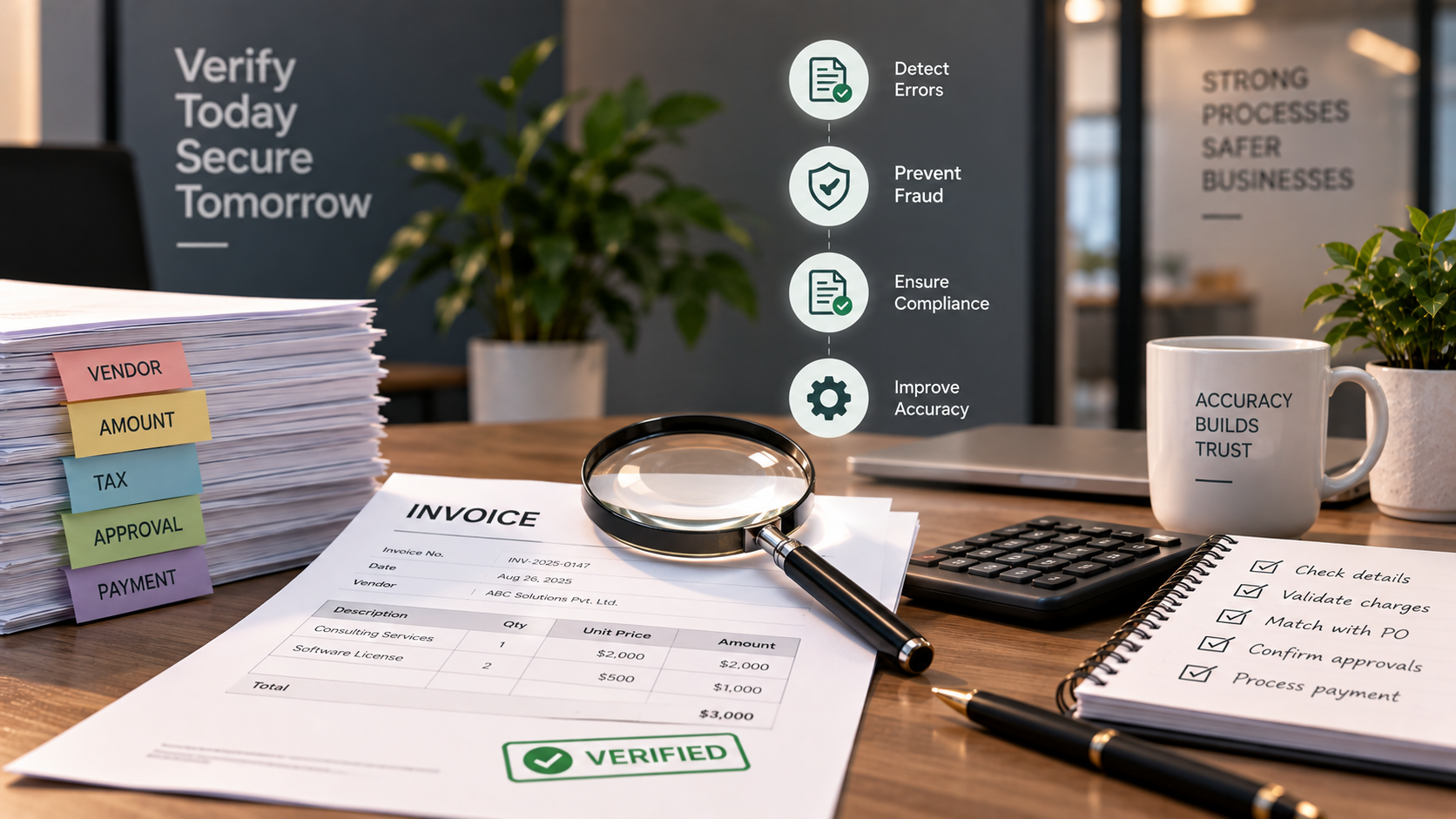
Invoice verification is the systematic process of reviewing an invoice to confirm its accuracy against supporting documents, such as purchase orders, delivery receipts, and contracts. Essentially, it acts as a financial checkpoint, ensuring that you pay only for goods or services that were delivered as agreed.
Why Detailed Invoice Verification Matters
01Fraud Prevention: One of the primary purposes of invoice verification is to detect and prevent fraudulent activities. By carefully reviewing invoices, you can catch mistakes or scams before they hit your bottom line.
02Accurate Financial Records: Additionally, proper verification ensures your financial statements reflect reality. As a result, you can make better-informed business decisions.
03Regulatory Compliance: Detailed invoice checks are also necessary for meeting legal and tax obligations. By maintaining accurate records, you ensure compliance with financial regulations and avoid potential legal issues
04Strengthening Supplier Relationships: Finally, timely payments based on verified invoices build trust with suppliers. Over time, this can lead to better terms, discounts, and smoother operations.
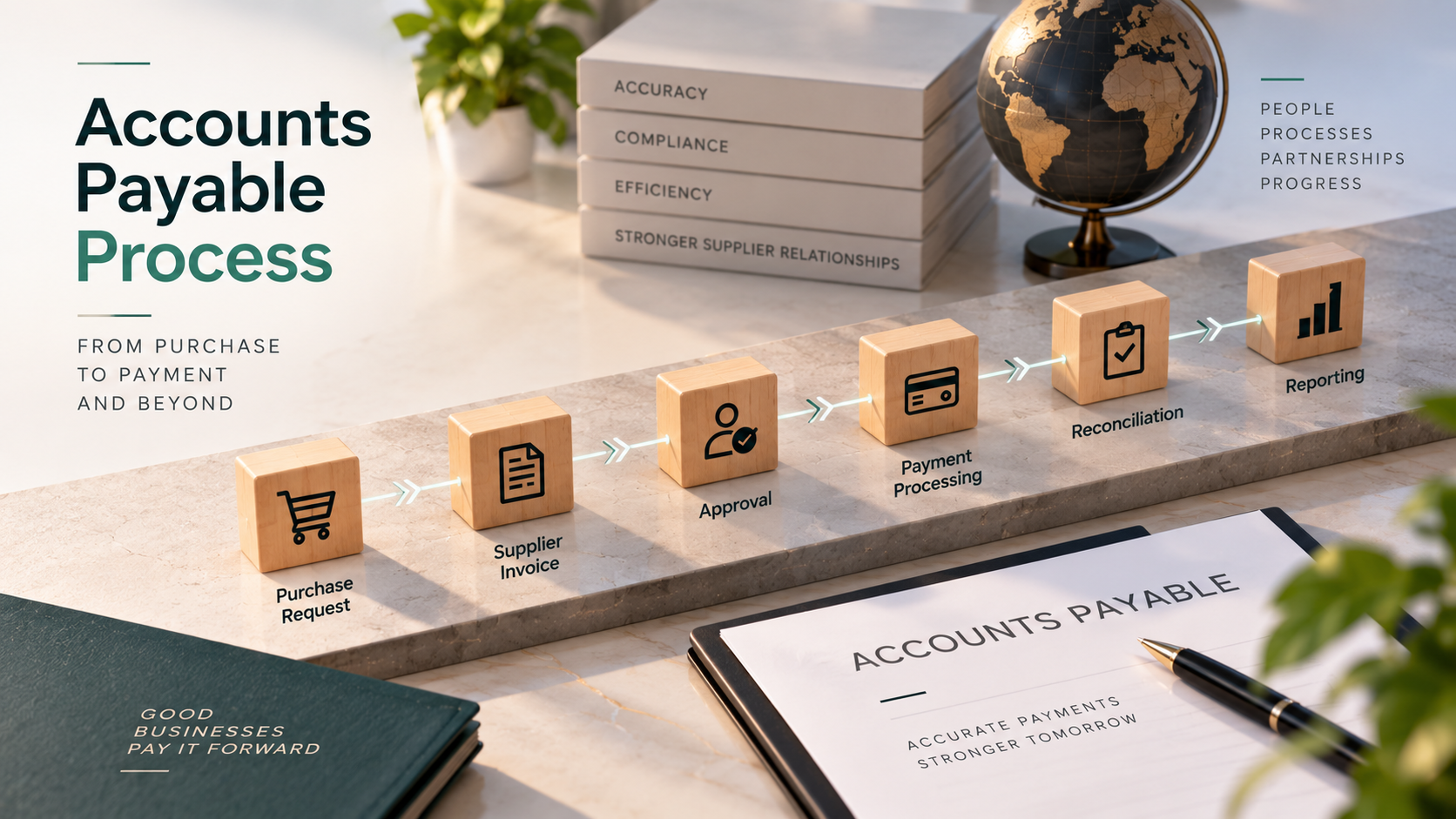
The Invoice Verification Process: Step by Step
01Receiving the Invoice: The first step is receiving the receipt of invoice. Ensure that it contains critical details such as the invoice number, date, total amount, and a clear breakdown of the goods or services provided.
02Cross-Referencing Documents: Next, verify the invoice against:
Purchase Orders (to confirm items and pricing)
Delivery Receipts (to ensure goods were received)
Contracts (to check payment terms and discounts)
03Checking Accuracy:Pay close attention to discrepancies. Look for incorrect quantities, pricing errors, or missing information. These small details can significantly impact your finances if overlooked.
04Get Approval: Once everything checks out, obtain approval from the appropriate person. Establish a clear approval workflow to streamline this step.
05Processing Payment: After approval, proceed with payment. Make sure all details are recorded for audit purposes.
06Documentation and Record-Keeping: Lastly, maintain organized records for future audits and compliance. This prevents financial discrepancies and fraud.
Tips for Effective Invoice Verification
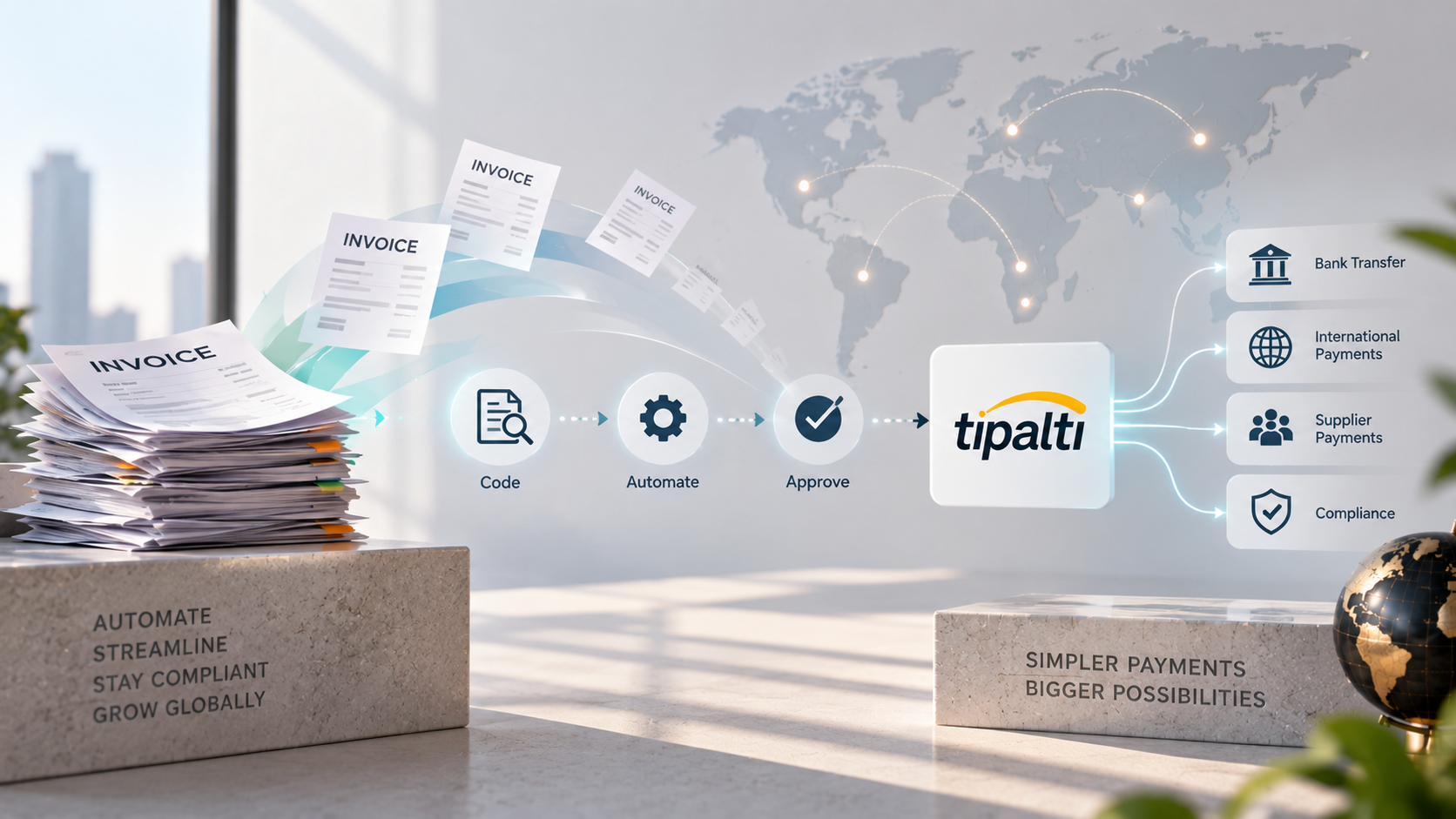
01Utilize Automation:Implementing automated invoice verification systems can significantly reduce manual errors and speed up the verification process. Software solutions can automatically cross-check invoices against purchase orders and delivery receipts.
02Standardize Processes: Create a standardized procedure for invoice verification. This ensures consistency and helps new employees understand the process quickly.
03Conduct Regular Audits:Conduct periodic audits of your invoice verification process to identify areas for improvement and ensure compliance with internal controls.
04Communicate with Suppliers:Establish clear communication channels with suppliers to resolve any discrepancies swiftly. This can also prevent future issues.
05Train your team: Regular training on the verification process and potential fraud schemes can empower employees to spot discrepancies effectively.
Conclusion
Detailed invoice verification is more than just an accounting task—it’s an essential step in protecting your business from unnecessary costs and fraud. By following a thorough verification process and using these practical tips, you can avoid financial headaches, ensure compliance, and foster better supplier relationships. In a world where every penny counts, taking the time to verify invoices can save your business time, money, and hassle.
After all, every dollar saved is a win for your business!
“The 30-Day Rule: How to Minimize Overdue Payments and Improve Collections”
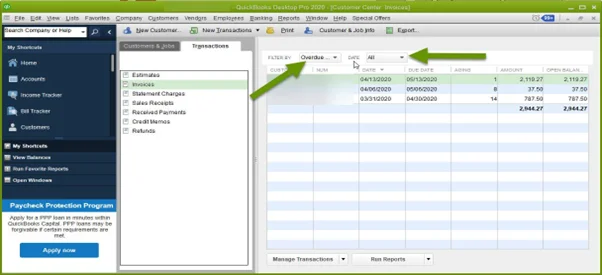
The term “overdue bucket” refers to a categorization of accounts receivable that have not been paid by their due dates. It’s commonly used in financial and accounting contexts to help businesses monitor and manage outstanding invoices. Here’s a breakdown of what it entails:
Classification of Overdue Accounts:
Overdue accounts are often classified into different buckets based on how long they have been overdue. Common categories include:
1-30 Days Overdue: Slightly overdue accounts.
31-60 Days Overdue: Moderately overdue accounts.
61-90 Days Overdue: Significantly overdue accounts.
90+ Days Overdue: Accounts that are severely overdue and may require more aggressive collection efforts.
Importance of managing overdue invoices
01Maintains Cash Flow
02Reduces Collection Costs
03Improves Customer Relationships
04Enhances Financial Health
05Identifies Customer Payment Patterns
“Businesses of all sizes may have severe cash flow issues as a result of late payments. Did you know that around 60% of bills are paid late, creating problems with liquidity that can bankrupt businesses? Fortunately, there are effective strategies we can adopt to keep our overdue bucket under 30 days.”
Implement Effective Invoicing Practices
01Clear Invoicing Terms: Make sure invoices clearly state the payment terms, including due dates and penalties for late payments. Use straightforward language and ensure that all necessary details (e.g., itemized charges, total amount due, and due date) are easy to find.
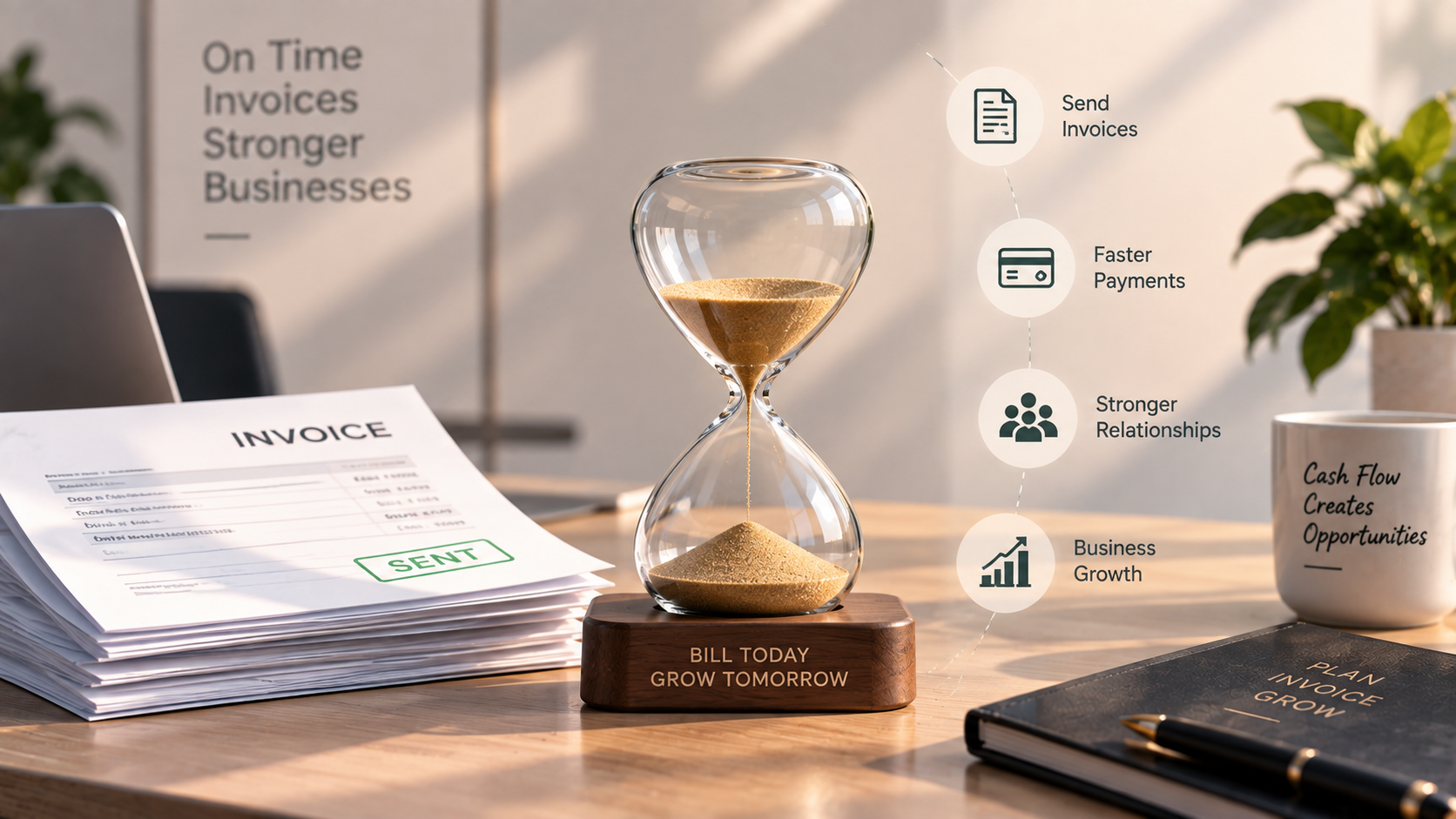
02Timely Invoicing : Send invoices promptly upon the completion of work or delivery of goods. The sooner customers receive their invoices, the sooner they can process payments.
Enhance Communication with Customers
01Set Payment Reminders: Set up automated reminders for one week prior to the deadline and make sure they are followed through on. The chance of on-time payments can be greatly increased with a polite reminder.
02Personal Follow-Up: If payments are overdue, don’t hesitate to reach out personally. Sometimes an email or phone call works better than an automatic reminder to get things done
Offer Flexible Payment Options
01Multiple Payment Methods: Provide various payment options such as credit cards, online payments, or direct bank transfers. The more convenient we make it for customers to pay, the more likely they are to do so promptly.
02Installment Plans: For larger invoices, consider offering installment payment plans. This approach can make it easier for customers to manage their payments and reduce the likelihood of overdue accounts.
Build Strong Customer Relationships
01Understand Customer Needs: Take the time to understand the customers’ payment processes and any challenges they face. Developing a rapport might promote generosity and prompt payment.
02Provide Excellent Service: Consistently delivering high-quality products or services increases customer loyalty, which can lead to timely payments. Satisfied customers are more likely to prioritize paying invoices.
Leverage Technology
01Use Accounting Software: Invest in accounting software that allows you to track invoices, set reminders, and generate reports on overdue accounts. Automation can save time and reduce the risk of human error.
Establish Clear Collection Procedures
01Define Collection Steps: Outline a clear process for handling overdue accounts, including escalation steps. This might include a series of reminders, personal outreach, and, if necessary, engaging a collections agency.
02Stay Consistent: Consistency is key in collections. Ensure your team follows the defined procedures to avoid any confusion and maintain professionalism.
Monitor and Analyze Performance
01Track Overdue Accounts: Regularly review your overdue accounts to identify trends or recurring issues. This analysis can help you adjust your strategies as needed.
02Set KPIs: Establish key performance indicators (KPIs) related to overdue accounts, such as average days overdue or percentage of accounts overdue. Regularly assess these metrics to gauge the effectiveness of your strategies.