Did you know?
Almost half of all small businesses (45%) employ neither an accountant nor a bookkeeper and according to a study conducted by U.S. Bank, 82% of small businesses fail due to poor understanding and management of cash flow. This underscores the importance of effective bookkeeping.
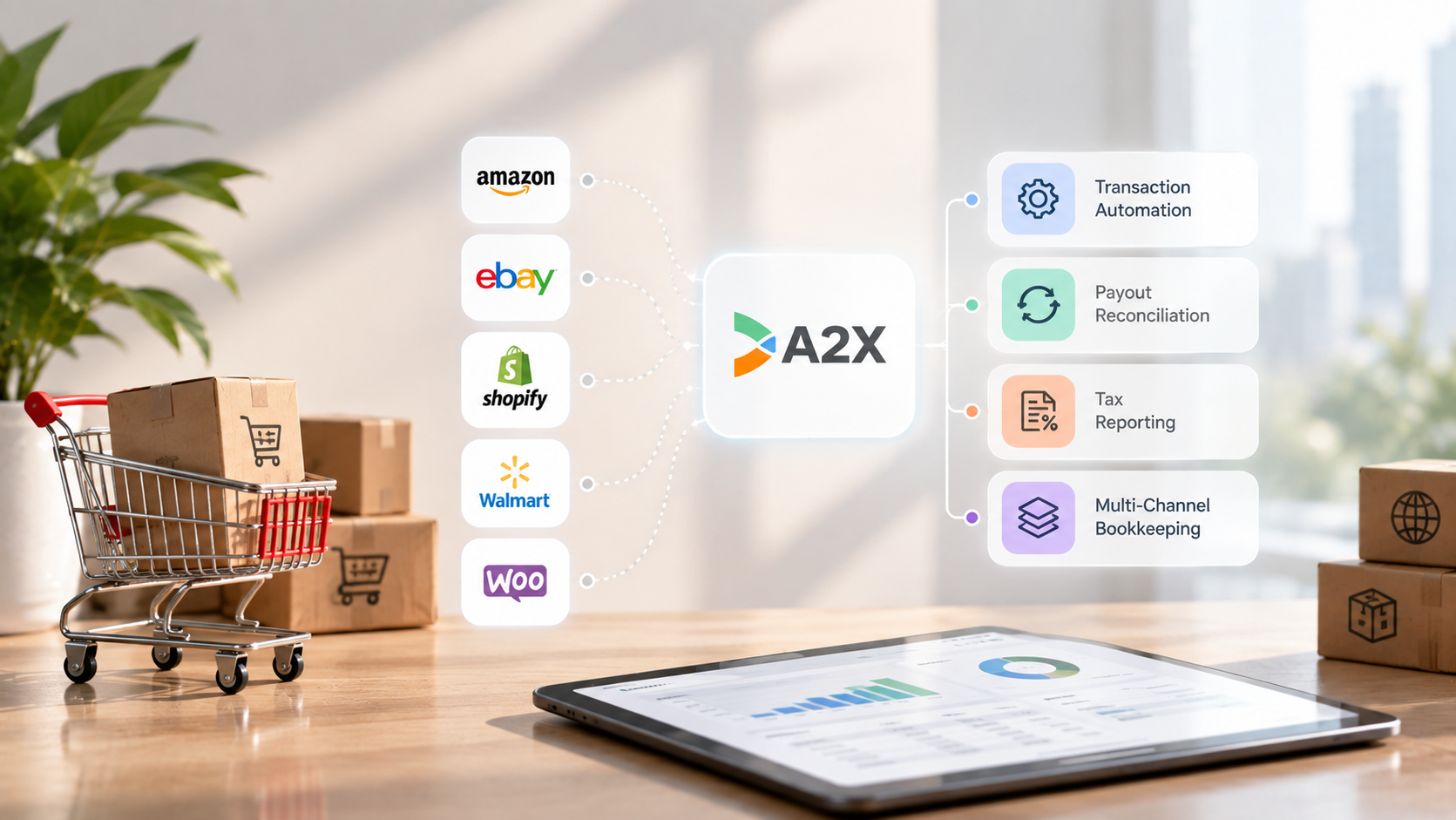
Meet our new client, an e-commerce entrepreneur who faced a daunting challenge. With broken bank feeds and missing transactions, he was nearing the deadline for filing returns. His previous bookkeeper hadn’t maintained proper records, and he had been using Excel for his books, unsure of which accounting software to adopt.
This scenario is all too common. Many business owners underestimate the importance of maintaining accurate books until they’re faced with a financial crunch.
Bookkeeping, the meticulous process of recording financial transactions, is a critical function for businesses of all sizes. Accurate bookkeeping ensures that financial records are up to date, which is crucial for making informed business decisions. In this blog, we’ll delve into the differences between in-house and outsourced accounting, the benefits of each, common bookkeeping mistakes, the importance of maintaining healthy books, and the tools and technology available to streamline the process.
Common Bookkeeping Mistakes
Regardless of whether accounting is managed in-house or outsourced, some common bookkeeping mistakes can significantly impact a business:
- 01Failing to Reconcile Accounts Regularly: Not regularly reconciling bank statements and financial records can lead to errors and discrepancies that are difficult to trace later.
- 02Poor Expense Tracking: Mismanagement of receipts and expenses can result in inaccurate financial reporting and missed tax deductions.
- 03Inaccurate Categorization: Incorrectly categorizing income and expenses can distort financial reports and mislead decision-making.
- 04Neglecting Backups: Failing to back up financial data can lead to significant losses in case of data breaches or system failures.
- 05Ignoring Tax Deadlines: Missing tax deadlines can result in penalties and interest charges, impacting cash flow and profitability.
The Importance of Maintaining Healthy Books
Maintaining accurate and up-to-date financial records is essential for several reasons:
- 01Informed Decision-Making: Accurate books provide valuable insights into the financial health of the business, aiding strategic planning and decision-making.
- 02Tax Compliance: Proper bookkeeping ensures that all financial transactions are recorded and categorized correctly, simplifying tax preparation and compliance.
- 03Financial Stability: Regular financial reviews help identify potential cash flow issues, allowing for timely interventions.
- 04Business Growth: Clean financial records are crucial when seeking investments, loans, or partnerships, as they demonstrate the business’s financial stability and reliability.
Tools and Technology for Streamlining Bookkeeping
Advancements in technology have revolutionized the bookkeeping process, making it more efficient and accurate. Some popular tools and technologies include:
- 01Accounting Software: Programs like QuickBooks, Xero, and Zoho Books automate many bookkeeping tasks, from invoicing to expense tracking.
- 02Cloud-Based Solutions: Cloud accounting platforms allow for real-time access to financial data, facilitating collaboration and improving accessibility.
- 03Automated Data Entry: Tools like Hubdoc, Dext, Bill.com and Receipt Bank automate the extraction and categorization of financial data from receipts and invoices.
- 04Bank Feeds: Direct integration with bank accounts allows for automatic importing of transactions, reducing manual entry and errors.
- 05Mobile Apps: Mobile bookkeeping apps enable on-the-go management of financial tasks, ensuring that business owners can stay on top of their finances anytime, anywhere.
Conclusion
The key to successful bookkeeping lies in maintaining accurate and up-to-date records. Avoiding common mistakes and leveraging modern tools and technology can greatly enhance the efficiency and accuracy of your bookkeeping processes. By prioritizing healthy financial practices, businesses can ensure long-term stability and growth, positioning themselves for success in an ever-evolving marketplace.